
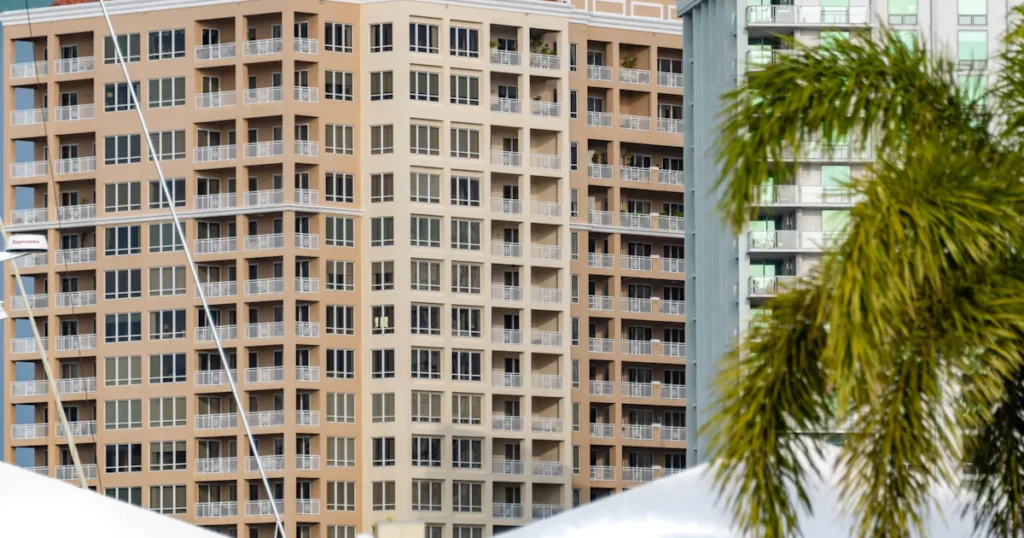
A structural engineer inspection is a check, by an engineer or architect the owner hires, of whether a building’s structure is sound: the foundation, walls, floors, roof framing and the connections between them. In Florida, owners usually ask for one before buying a house, after a storm, when cracks or sagging appear, before removing a wall, or because the law requires one for older condominium buildings. Chrome Stone does not carry out these checks at the site; we review the photos, drawings and reports the owner sends and prepare the repair drawings.
What a Structural Review Covers
A structural report usually covers the parts of the building that carry load and keep it standing:
- Foundation and slab: settlement, cracks, uneven floors and signs of soil movement.
- Walls: cracks in block and concrete, stair-step cracking, bowing, and the condition of lintels over doors and windows.
- Roof framing: trusses and rafters, sagging, water damage, and how the roof is tied down to the walls.
- Concrete elements: balconies, columns, beams and garage decks, looking for spalling, rust stains and exposed reinforcing.
- Site structures: retaining walls and pool decks, where relevant.
A report also draws on any drawings, permits and earlier reports. Where those cannot answer the question, the report recommends testing or opening up finishes in specific spots.
How It Differs From a General Home Check

A general home inspection covers many systems at once, from the roof covering to the appliances, and flags anything that looks wrong. A structural engineer inspection goes deeper on one question: is the structure safe, and if not, what is causing the problem and how should it be repaired? Home inspectors often recommend a structural engineer when they see foundation cracks, sagging floors or damaged framing, and the engineer’s report is what lenders, insurers, contractors and building departments rely on for the next step.
When You Should Get One
- Before you buy a house or building with visible cracks, sloping floors, sticking doors or past storm damage.
- After a hurricane, to document damage and separate it from older wear before repairs start.
- When cracks keep growing or new ones appear, especially stair-step cracks in block walls.
- Before a renovation that changes the structure, such as removing a wall or adding a second story. Our article on removing a load-bearing wall in Florida explains that process.
- In a flood zone, before deciding whether to repair, elevate or rebuild; see our article on the Florida substantial damage rule.
- When the law requires it, as with condominium milestone inspections.
Condominium Milestone Reports
Section 553.899 of the Florida Statutes requires a statewide structural inspection program for older condominium and cooperative buildings. Buildings three habitable stories or taller need a milestone inspection by December 31 of the year they reach 30 years of age, counted from when the building was first approved for occupancy, and every 10 years after that. The local building official can require the first inspection at 25 years where local conditions, such as nearness to salt water, call for it. Single-family homes and small buildings of up to four units with three or fewer habitable stories are not covered.
The inspection has two phases. In phase one, an engineer or architect examines the building visually, including its major structural components, and reports on its structural condition. If phase one finds substantial structural deterioration, a phase two inspection follows, which can include destructive or nondestructive testing and ends with a recommended program for repairs. Our article on condo milestone inspection repairs covers what happens after the report. In Miami-Dade, the county’s own inspection program for older buildings also requires periodic inspections of many older buildings.
What the Engineer’s Report Includes
A structural inspection ends with a written report from the engineer or architect the owner hires for it: what was seen, the likely cause of any problem, whether the structure is safe for its use, and the repairs needed, in order of priority. When the repairs need a permit, the owner then needs repair drawings and calculations for the building department. That is the part Chrome Stone prepares, working from the report.
How to Prepare
- Have the address, the year built and any drawings, surveys or past reports ready.
- Take photos of the problem areas and note when they first appeared.
- Photograph the attic, crawl spaces, garage and exterior walls where it is safe to reach them.
- For a condominium, have the building official’s milestone notice and any earlier inspection reports.
Frequently Asked Questions
What does a structural engineer’s report cover?
A written report on the condition of the foundation, walls, floors, roof framing and connections, and the repairs needed. Chrome Stone works from the photos, drawings and reports you send and prepares the repair drawings.
Should I get a structural engineer’s opinion before buying a house in Florida?
It is worth it when the house shows cracks, sloping floors, sticking doors, past storm damage or past foundation repairs, or when the home inspector recommends one.
Is a general home check the same as a structural review?
No. A home inspection covers many systems at a general level; a structural inspection focuses on whether the structure is sound and how to repair it.
Which Florida buildings fall under the milestone rules?
Condominium and cooperative buildings three habitable stories or taller, at 30 years of age and every 10 years after, or at 25 years where the local official requires it.
Who prepares the repair drawings after the report?
A structural engineer prepares the repair drawings, calculations and permit documents from the report’s findings. Chrome Stone prepares these repair packages for homes, condominiums and commercial buildings across Florida.
When an inspection report calls for structural repairs, we prepare the repair drawings, calculations and permit documents for homes, condominiums and commercial buildings across the state. See our Florida structural engineering services, or our pages for Miami, Tampa and Orlando.
Sources
- The Florida Senate, Florida Statutes Section 553.899 (2025), Mandatory structural inspections for condominium and cooperative buildings
- Miami-Dade County, inspection program for older buildings
- Florida Building Commission, Florida Building Code Information
We post one project and one code or engineering note every week on LinkedIn. Follow Chrome Stone on LinkedIn