
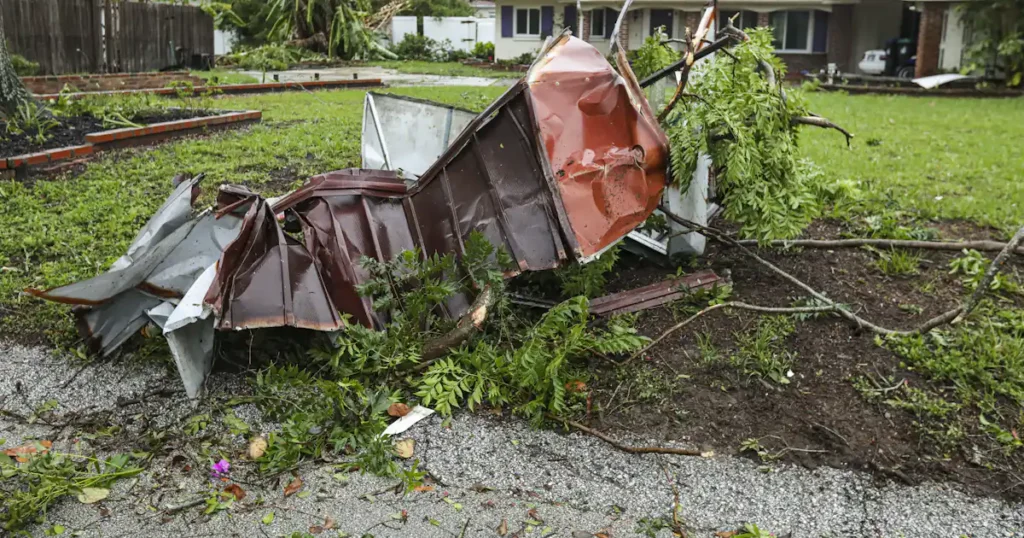
Florida’s “50% rule” is the National Flood Insurance Program’s substantial damage and substantial improvement rule. If a building in a FEMA special flood hazard area is damaged, and repairing it to its pre-damage condition would cost 50 percent or more of the building’s market value, the building is “substantially damaged.” It must then be brought into compliance with current flood requirements, which often means elevating it, rebuilding the foundation or replacing it. The same test applies to remodels and additions. Some Florida communities use a stricter threshold, such as Pinellas County’s 49 percent.
This article explains how the rule is defined, how the calculation works, what changed in Florida law in 2025, and what the structural work looks like when a building crosses the line.
Where the 50% Rule Comes From
The rule is written into federal regulations at 44 CFR 59.1. Communities that participate in the National Flood Insurance Program, which includes most Florida cities and counties, must enforce it through their floodplain management ordinance and the flood provisions of the Florida Building Code. The regulation defines two terms:
- Substantial damage: damage of any origin, whether flood, wind, fire or something else, where the cost of restoring the building to its before-damage condition would equal or exceed 50 percent of the building’s market value before the damage occurred.
- Substantial improvement: any reconstruction, rehabilitation, addition or other improvement whose cost equals or exceeds 50 percent of the building’s market value before construction starts. A substantially damaged building is treated as substantially improved, regardless of the repair work actually done.
The rule only matters for buildings in a special flood hazard area, the zones shown on FEMA’s Flood Insurance Rate Maps. A home outside those zones can be heavily damaged without triggering it, although the Florida Building Code still governs the repairs.
How the Calculation Works
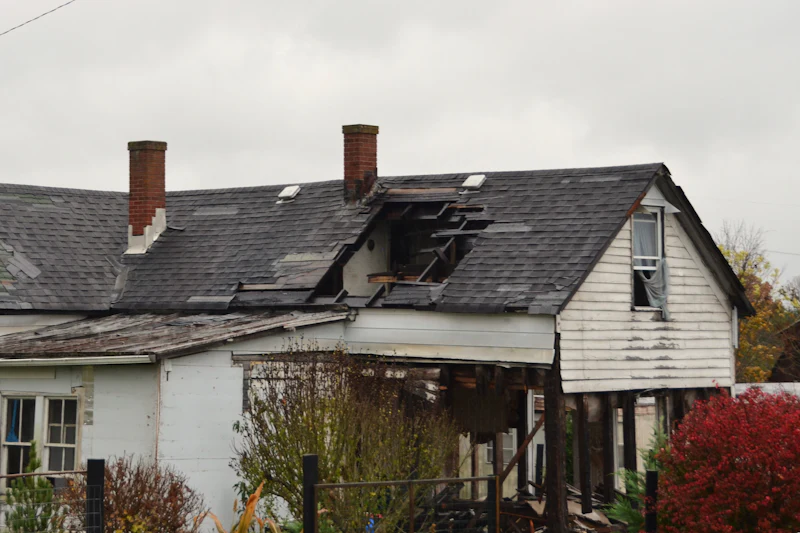
FEMA uses the same calculation for damage and for improvements: the cost of the repair or improvement divided by the market value of the structure. A result of 50 percent or more, or the community’s stricter number, triggers the rule.
Market value is the value of the building only. FEMA’s guidance excludes the land and site improvements such as landscaping and driveways. FEMA’s guidance lets communities use sources such as an adjusted tax-assessed value or an independent appraisal of the structure.
The cost is the full cost to repair the building to its pre-damage condition, or to build the improvement, including materials, labor, and demolition and construction debris disposal. According to FEMA’s Substantial Improvement/Substantial Damage Desk Reference, several items can be left out:
- plans and specifications;
- land survey costs;
- permit and inspection fees;
- clean-up and trash removal that isn’t part of the building work;
- outside work such as landscaping, sidewalks, fences and irrigation.
FEMA also warns that an insurance adjuster’s estimate must not be used for the determination, because a claim estimate may not include every cost of repairing the building.
Keeping Records That Support the Estimate
The local official compares the cost of the work with the market value of the building, so the paperwork matters. Owners help their case with an itemized estimate from the contractor that separates repair costs from items the official may exclude, photos of the damage before work starts, and a market value basis the official accepts, such as the property appraiser’s building value or an appraisal of the structure alone. Keep copies of every permit and estimate, so the full cost of the work is easy to show.
Who Decides, and When
The determination is made by the local building official or floodplain administrator, not by FEMA and not by your insurance company. After a hurricane, Florida communities usually inspect the damaged areas, send substantial damage letters to owners whose buildings appear to cross the threshold, and review the cost of repairs when owners apply for permits. The building department’s determination controls what the permit allows. Each community also sets its own process for questioning a determination, typically with supporting documentation such as a detailed repair estimate or an independent appraisal.
Local Thresholds and the 2025 Lookback Ban
Federal rules set a minimum, and a community can adopt a stricter standard. Pinellas County, for example, uses a 49 percent threshold for the unincorporated areas it manages: according to the county, if the cost to repair a home is 49 percent or more of its value without the land, the home is considered substantially damaged and cannot be repaired without bringing it into compliance with the current floodplain codes.
Some Florida communities used to add up improvements and repairs over a set period, such as five or ten years, so several smaller projects could cross the threshold together. In 2025, Florida law ended that practice. Section 163.31795, Florida Statutes (created by chapter 2025-190), says a local government that participates in the National Flood Insurance Program may not adopt or enforce an ordinance for substantial improvements or repairs that includes a cumulative substantial improvement period. The statute does not address percentage thresholds, so check the threshold your city uses today.
What Happens When a Building Is Substantially Damaged
A substantially damaged or improved building has to meet the flood requirements for new construction. In practice that usually means one of these paths:
- Elevation: raising the lowest floor to or above the required elevation on a new pile, pier, column or stem-wall foundation.
- Rebuilding: demolishing the building and replacing it with a compliant one.
- Floodproofing: for nonresidential buildings only, dry floodproofing designed to keep water out below the flood elevation.
- Relocation to a site outside the flood hazard area, which is rarely practical in dense coastal neighborhoods.
Every path needs engineering. An elevated house has to resist flood forces at its foundation and hurricane winds on a taller structure. The space below the elevated floor is limited to parking, building access and storage, and walls there must be breakaway walls or have flood openings, depending on the flood zone. Electrical panels, air conditioning condensers, water heaters and ductwork go above the flood elevation.
If the Work Goes Over the Threshold
When the official finds a building substantially damaged or substantially improved, the whole building, not only the repaired part, has to meet the current floodplain rules. In practice owners usually choose one of these paths:
- Elevate the existing building so the lowest floor and its equipment sit at or above the required elevation, on a new or strengthened foundation.
- Rebuild a new structure that meets the current rules from the start.
- Change the scope before the permit, after talking with the building department, if a smaller project meets the owner’s needs. The official decides how work is counted, so splitting one project into pieces to stay under the threshold is not a way around the rule.
Each path needs structural design: a foundation and elevated floor for an elevation, or a full set of drawings for a rebuild. Our pages for Tampa and St. Petersburg describe the storm repair and elevation work we design.
Before You Buy a Home in a Flood Zone
The substantial damage rule can shape what a buyer can do with a house later. Before buying in a flood zone, check the flood zone and the building’s elevation, ask the building department about past permits and any substantial damage determination for the address, and ask the building department how the substantial damage rule applies to the address. A house that is already close to the threshold, or that sits well below the required elevation, may leave little room for a major renovation without elevating.
Flood Insurance Help: Increased Cost of Compliance
If the building is covered by a National Flood Insurance Program policy and is determined to be substantially damaged by flood, the policy’s Increased Cost of Compliance coverage may pay up to $30,000 toward elevating, floodproofing, relocating or demolishing it, according to FEMA. The claim needs the community’s substantial damage letter, and FEMA has denied claims where the work began before the letter was issued, so get the letter before demolition or mitigation work starts. Your insurer explains how the coverage applies to your policy.
How a Structural Engineer Fits In
The floodplain administrator makes the determination, and an appraiser sets market value. The structural engineer designs the building that complies. For an elevation or rebuild, the drawings typically cover the foundation, the elevated floor framing, the connections that keep an elevated house tied down in hurricane winds, the breakaway walls or flood openings below, and the supports for equipment above the flood elevation. For repairs that stay under the threshold, the engineer designs the structural repairs and documents what is being restored.
Chrome Stone Structural prepares these drawings for homeowners and contractors across Florida. See our pages for structural engineering in Tampa, St. Petersburg and Pinellas County, Fort Myers, Naples and Southwest Florida, Miami and Orlando and Central Florida, or our structural engineering services in Florida.
Frequently Asked Questions
Does the 50% rule apply if my house is not in a flood zone?
No. The substantial damage rule applies to buildings in FEMA special flood hazard areas. Repairs outside those zones still need permits and must meet the Florida Building Code, but they don’t trigger the flood elevation requirement.
Does wind damage count toward the 50%?
Yes. Under 44 CFR 59.1, substantial damage is damage “of any origin,” so wind, flood, fire and other damage all count toward the cost of restoring the building.
Is the land value included in market value?
No. Only the market value of the structure counts. FEMA’s guidance excludes the land and site improvements such as landscaping and driveways.
Can my city add up repairs from several years?
Not anymore. Since 2025, section 163.31795, Florida Statutes, bars local governments in the National Flood Insurance Program from using a cumulative substantial improvement period. Each project is evaluated on its own.
What happens if my repairs go over the threshold?
The whole building has to meet the current floodplain rules. Owners usually elevate the building, rebuild, or change the scope with the building department before the permit.
Sources
- eCFR, 44 CFR Part 59 (definitions, including §59.1 substantial damage and substantial improvement)
- FEMA, Frequently Asked Questions: Substantial Damage
- FEMA, P-758 Substantial Improvement/Substantial Damage Desk Reference
- Florida Statutes §163.31795
- Pinellas County, Substantial Damage & Storm Permits
We post one project and one code or engineering note every week on LinkedIn. Follow Chrome Stone on LinkedIn