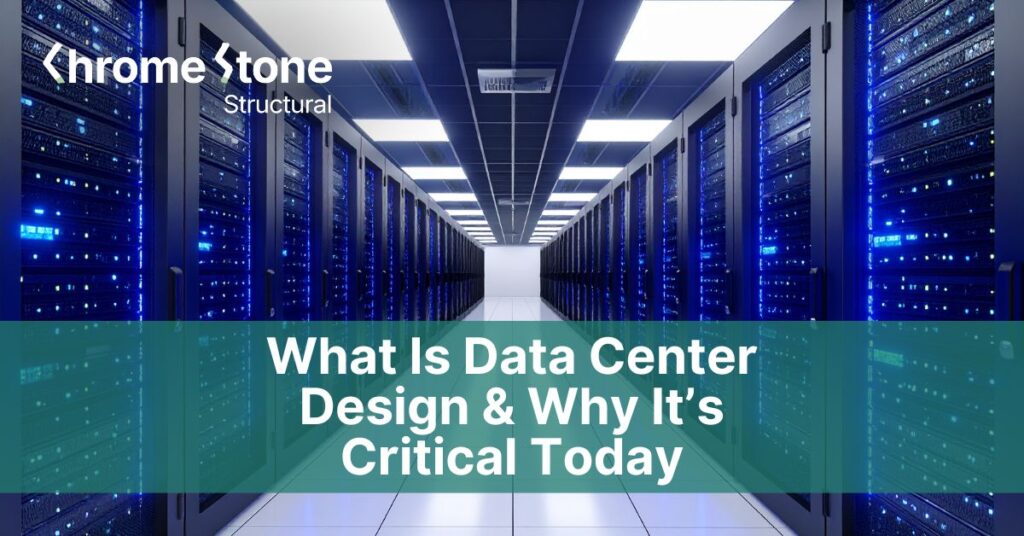
Understanding Data Center Design
The Cornerstone of Modern Infrastructure
In today’s digital age, a robust and efficient data center is crucial for businesses of all sizes. Effective data center design is no longer just about housing servers; it’s about creating an environment that maximizes performance, minimizes downtime, and adapts to evolving technological demands. This involves careful consideration of numerous factors, from power and cooling to security and scalability. A well-designed data center not only supports current operations but also anticipates future growth and technological advancements.
Key Considerations for Data Center Design Requirements
Planning for Performance and Resilience
Meeting specific data center design requirements is paramount for ensuring operational stability and minimizing risks. Several crucial aspects must be addressed during the planning phase. First and foremost is power infrastructure – ensuring a reliable and redundant power supply is critical. Cooling systems are equally vital, preventing overheating and maintaining optimal server performance. Security measures, both physical and digital, are essential to protect sensitive data and prevent unauthorized access. Furthermore, considering scalability ensures that the data center can accommodate future growth without significant disruptions.
According to a recent report by Uptime Institute, downtime costs businesses an average of $9,000 per minute. This underscores the financial implications of poor data center design and the importance of investing in robust infrastructure and redundancy measures. Prioritizing these elements during the design phase will significantly mitigate risks and ensure seamless operations.
The Intricacies of Data Center Layout Design
Maximizing Space and Efficiency
The data center layout design plays a pivotal role in optimizing space utilization, improving airflow, and facilitating maintenance. A well-thought-out layout can significantly enhance operational efficiency and reduce costs. Key considerations include rack placement, cable management, and the segregation of hot and cold aisles. Proper aisle containment strategies optimize cooling efficiency by preventing the mixing of hot and cold air streams, leading to reduced energy consumption.
A poorly planned layout can lead to hotspots, inefficient cooling, and difficulty in accessing equipment for maintenance. Careful planning and adherence to best practices in data center design are essential for creating an environment that promotes both performance and maintainability.
Integrating Warehouse Design and Layout Principles
Synergies in Efficiency and Organization
While seemingly distinct, there are valuable principles from warehouse design and layout that can be applied to data centers. Concepts like efficient flow, modularity, and organized storage solutions can improve accessibility and streamline operations within a data center. Just as a well-organized warehouse optimizes the movement of goods, a strategically designed data center facilitates the efficient flow of data and resources.
Considerations such as aisle width, rack configuration, and labeling systems can significantly improve the accessibility of equipment and reduce the time required for maintenance and upgrades. By adapting proven warehouse design principles, data center managers can enhance operational efficiency and optimize space utilization.
Building the Future of Your Digital Infrastructure
Investing in proper data center design is critical for achieving operational excellence and ensuring business continuity. By carefully considering the requirements, optimizing the layout, and integrating relevant principles from warehouse design, businesses can create data centers that are not only efficient and reliable but also adaptable to future growth and technological advancements. At Chrome Stone Structural, we are dedicated to helping you design data centers that meet your specific needs and drive your success in the digital landscape.
FAQ
Frequently Asked Questions
Q: What are the key components of data center design?
A: Key components include power infrastructure, cooling systems, security measures, network infrastructure, and physical layout.
Q: How do I determine the appropriate size for my data center?
A: Consider your current and projected data storage needs, server capacity, and growth plans. Consult with data center design experts to assess your specific requirements.
Q: What are the benefits of optimizing data center layout?
A: Optimized layout improves airflow, reduces energy consumption, enhances accessibility for maintenance, and maximizes space utilization.
Q: How important is security in data center design?
A: Security is paramount. Implement both physical and digital security measures to protect sensitive data and prevent unauthorized access. This includes access controls, surveillance systems, and cybersecurity protocols.
Q: How can Chrome Stone Structural help with my data center design needs?
A: Chrome Stone Structural offers expert data center design services, tailored to your specific requirements. We can assist with planning, layout optimization, and the implementation of best practices to ensure a reliable and efficient data center.